
Think about the piece of clothing you have owned the longest. Maybe it is a jacket that has followed you through several winters, or a pair of trousers that still fits just right. Chances are you know where you bought it, what you paid, and the occasions you have worn it to. That quiet relationship with a garment is the heart of slow fashion.
Slow fashion is not a trend or a label. It is a way of thinking about clothes that values care, quality and longevity over speed and volume. It asks simple questions: who made this, what is it made from, and how long will I keep it?
Where the idea came from
The term grew in the early 2000s as a response to fast fashion, the business model built on producing huge numbers of cheap garments and replacing them with new styles every few weeks. Borrowing from the slow food movement, designers and writers began arguing that clothing deserved the same attention we give to what we eat: knowing its origins, respecting the people behind it and enjoying it for longer.
Today the idea is broader. It covers how clothes are designed, the materials used, the conditions of the people sewing them, and what happens to garments when we are finished with them.
Why it matters now
The scale of clothing waste is hard to picture. According to the Ellen MacArthur Foundation, the equivalent of one garbage truck of textiles is landfilled or burned somewhere in the world every second. The same organization has reported that less than one percent of the material used to make clothing is recycled into new clothing.
Behind those numbers are rivers affected by dyeing, energy spent on production that is quickly thrown away, and garment workers under pressure to sew faster for less. Slow fashion does not solve all of this on its own, but it shifts the balance. When people buy fewer, better pieces and wear them for years, demand for constant overproduction eases.
What slow fashion looks like in practice
You do not need to throw out your wardrobe and start again. In fact, that would go against the whole idea. Slow fashion is mostly a set of small habits:
- Wear what you already own more often, and in new combinations.
- Before buying, ask whether you will wear the piece at least thirty times.
- Choose sturdy construction and fabrics that age well.
- Repair small damage early: a loose button, a split seam, a worn hem.
- Look for clothes made from reclaimed or surplus fabric.
- Support makers who can tell you who sewed your clothes.
The role of reclaimed fabric
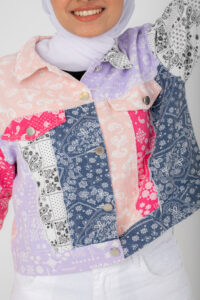
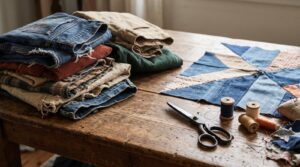
One of the most practical expressions of slow fashion is making new clothes from fabric that already exists. Factories produce offcuts and surplus rolls, and households hold piles of clothes nobody wears. Turning those materials into something wearable keeps them in use and avoids the resources needed to produce fresh fabric.
Small workshops and designers in many countries, including here in Egypt, now build collections from factory cut-offs, second-hand clothes and reclaimed denim, often sewn by hand by local women artisans. Because the fabric is reclaimed, colors and patterns can vary slightly from one piece to the next, and some upcycled pieces are genuinely one of a kind.
The people behind the seams
Slow fashion is as much about people as it is about materials. A garment sewn by someone earning a steady, fair income, in a workplace where skills are taught and valued, carries a different story from one rushed through a production line. Knowing that story makes it easier to care for the piece and keep it longer.
It also changes how we shop. Instead of chasing what is new this week, we start looking for pieces we will still love next year and the year after.
There is a practical benefit too. A smaller wardrobe of pieces you genuinely like is easier to dress from. Getting ready takes less time, and every item earns its place. Many people who try slow fashion find that the real reward is not virtue but ease: fewer decisions, fewer regrets at the checkout, and clothes that feel like their own rather than borrowed from a passing season.
Starting small
Slow fashion is not about perfection. Nobody gets every choice right. It is about noticing, choosing with intention, and treating clothes as things worth keeping. Start with one habit, such as repairing before replacing, and let the rest follow naturally. Over time, your wardrobe becomes smaller, more personal and far more satisfying to wear.