
In a typical fashion studio, the process starts with a sketch. A designer imagines a garment, chooses the ideal color and fabric, and then that fabric is ordered, usually new and often from the other side of the world. The material serves the idea.
A growing number of designers are turning that process around. They start with fabric that already exists, such as factory offcuts, surplus rolls, deadstock and second-hand clothes, and let it shape what they make. The idea serves the material. It is a quiet shift, but it is changing how collections are planned, how clothes look and who makes them.
The fabric the industry leaves behind
The clothing industry produces a great deal of fabric that never becomes clothing. Cutting tables leave offcuts around every pattern piece. Rolls are over-ordered, cancelled or left over at the end of a season, a category often called deadstock. Garments are bought, worn a few times and put away. All of this material has already used water, energy and labor to produce.
According to the Ellen MacArthur Foundation, less than one percent of the material used to make clothing is recycled into new clothing. Designing with existing fabric is one practical way to keep more of that material in use, without waiting for large-scale recycling technology to catch up.
How material-first design works
Starting with the material changes the order of decisions. Before a style is finalized, designers look at how much of each fabric is available, whether its weight suits the garment and which colors sit well together. A heavy denim might point towards jackets or footwear, while a softer cotton surplus might suit a vest or the lining of a bag. The fabric store, in a very real way, becomes part of the design brief.
Reclaimed fabric often comes in smaller pieces, mixed colors and varied textures. Rather than treating that as a limitation, many designers build their style around it:
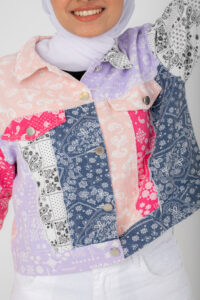
- Patchwork combines smaller pieces into strong, wearable panels.
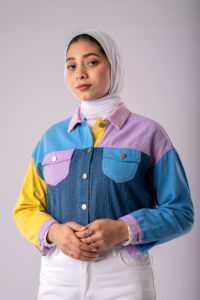
- Colorblocking turns a mix of fabrics into a deliberate, graphic look.
- Split designs join two different fabrics along one clean line.
- Durable reclaimed denim is reworked into jackets, bags and footwear.
- Quilting gives small scraps new strength in bags, clutches and pouches.
In other words, the look of these clothes is not decoration added afterwards. It comes directly from the fabric that was rescued.
One-off pieces or consistent collections?
Working with reclaimed fabric can lead in two directions. Some makers create truly one-of-a-kind pieces, where every garment is shaped by the particular scraps on the table. Others use set patterns and size ranges and produce their designs in quantity, so the cut, fit and construction stay consistent while the fabric within the pattern varies slightly.
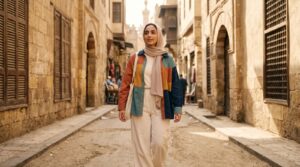
The second approach is what allows upcycling to grow beyond a single studio. In Cairo, for example, brands such as Green Fashion produce patchwork and colorblock designs this way. One batch of reclaimed denim may be a shade lighter than the last, which is why upcycled brands usually note that colors can vary a little from the photos. It is an honest result of using real, existing material.
What it asks of the people who sew
Material-first design asks more of the people who make the clothes. Sorting by weight and color, unpicking old garments, planning layouts and joining many pieces neatly all take skill and patience that a standard production line does not require. In many upcycling workshops, including across Egypt, this work is done by women artisans, and the best workshops pair it with fair pay and training.
In a sense, craft is the bridge between the material that exists and the design a brand wants. Without skilled hands, reclaimed fabric would simply stay on the shelf.
Why the extra effort is worth it
It is usually quicker and cheaper to order new fabric in a single color and cut it all at once. Designers who choose otherwise tend to give three reasons. It keeps good material in use instead of letting it go to waste. It creates skilled, dignified work. And it produces clothes with real texture and depth, made to be worn for years.
There is a creative reward too. Constraints push design forward, and many of the most distinctive shapes and combinations in upcycled fashion exist precisely because someone had to work with what was there. Every garment begins somewhere, and starting with fabric that already has a past may be one of the most interesting places to begin.